






 6 Min
6 Min
 Zuletzt aktualisiert am 23.09.2026
If you are a fitness enthusiast and follow a vegan lifestyle, you are probably wondering how to optimize your nutrition to achieve your training goals. A balanced vegan diet can provide the necessary nutrients to supply your body with energy and important building blocks. In this article, we guide you through the basics of a balanced vegan diet tailored specifically to the needs of fitness enthusiasts.
Understanding Macronutrients
A balanced vegan diet consists of the three main macronutrients: carbohydrates, proteins, and fats.
- Carbohydrates are the body's main energy source and especially important for endurance and strength training. Good vegan sources include whole grains, fruits, vegetables, and legumes.
- Proteins contribute to the increase and maintenance of muscle mass. Vegan protein sources include legumes, tofu, tempeh, seitan, vegan protein powders, and some whole grains.
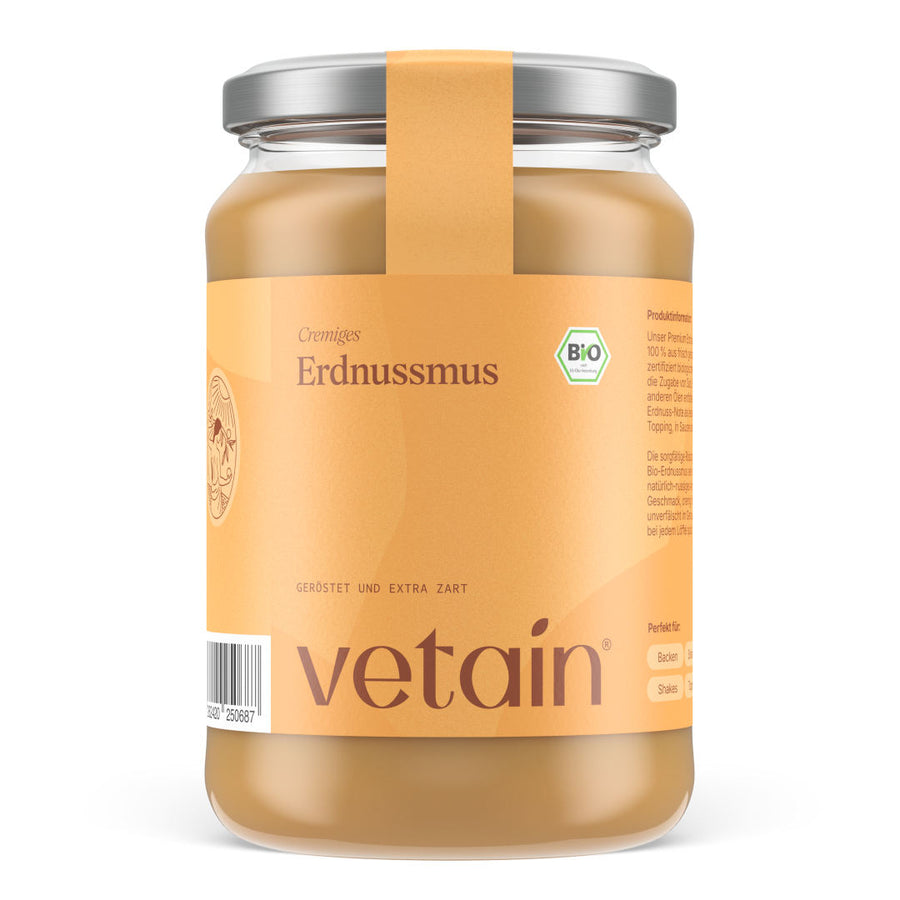
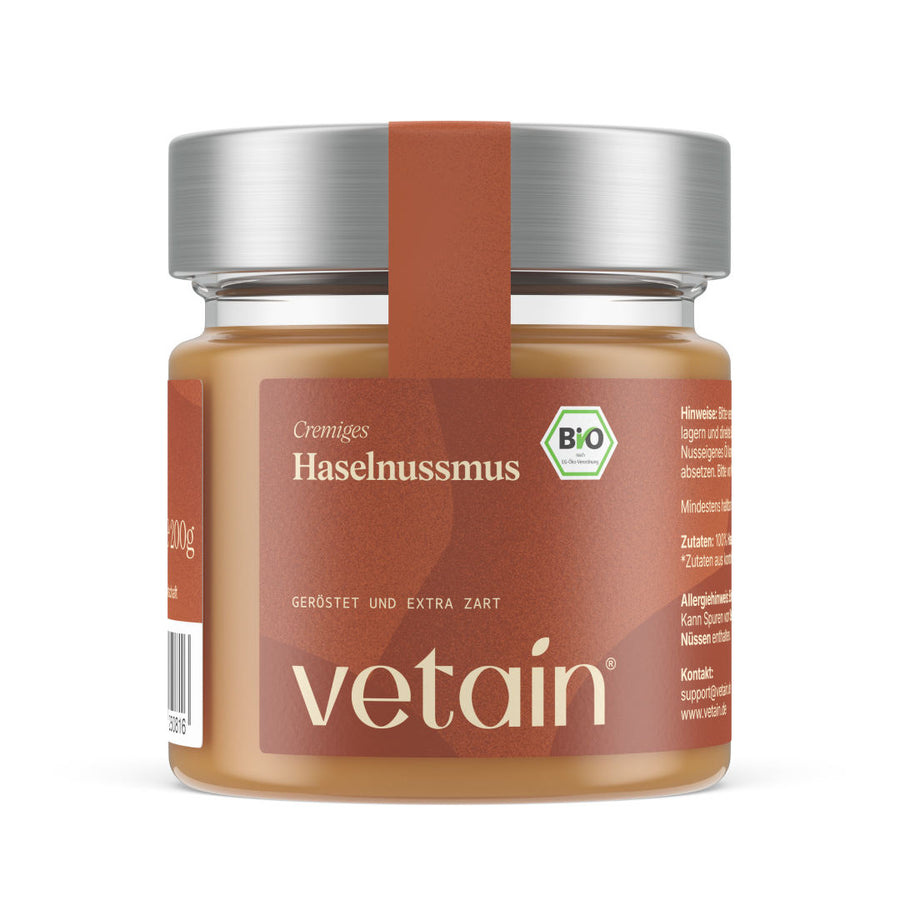
- Fats are important for energy supply, the absorption of fat-soluble vitamins, and, for example, hormone production. Focus on healthy fats from sources such as avocados, nuts (also delicious: nut butter), seeds, and high-quality oils like flaxseed or olive oil.
Don't Neglect Micronutrients
Pay attention to an adequate intake of micronutrients, which can sometimes be lacking in a vegan diet. These include especially vitamin B12, iron, calcium, zinc, and omega-3 fatty acids. You can ensure these nutrients through a targeted selection of foods and, if necessary, supplements. How to get enough omega-3 fatty acids is explained in our article "Omega-3 Fatty Acids in Vegetarian and Vegan Nutrition".
Variety is Key
A varied diet ensures you consume a wide range of nutrients. Experiment with different foods and colors on your plate—the more colorful, the better. Try to test new recipes and foods every week and make use of the full spectrum of foods available.
Don't Forget Hydration
Water plays a crucial role for your body. Make sure you drink enough, especially before, during, and after training. Besides water, unsweetened plant-based milks, herbal teas, and fresh fruit juices can also contribute to fluid intake.
Our tip: A tasty Clear Protein provides both water AND proteins – win-win!
Meal Timing
The timing of your meals can help you better manage your nutrient supply around training. A meal or snack with carbohydrates and proteins after training is popular among many athletes and supplies your body with the nutrients it needs now. An optimal meal a few hours before training also includes a carbohydrate source, some protein, and not too much fat.
Watch Portion Sizes
Eating enough in terms of quantity and calories is important, especially if you train regularly. Vegan foods are often less calorie-dense, so it may be necessary to eat larger portions and ensure you meet your calorie needs.
Conclusion
A well-planned vegan diet can provide all the necessary nutrients for fitness enthusiasts. By considering macro- and micronutrients, including a variety of foods, and paying attention to the timing of your meals you ensure a varied diet. Remember that every body is unique—experiment and find out what works best for you. Stay motivated and enjoy the variety that a vegan diet has to offer!
Would you like more tips and a step-by-step guide on how to implement a balanced diet? Then continue reading here: Balanced Nutrition: Tips for a Healthy Life in Everyday Life.