






 5 Min
5 Min
 Zuletzt aktualisiert am 23.09.2026

You’re standing in the gym with your sports bag and holding a protein bar in your hand—and wondering: Should I eat my protein bar before or after training? The question sounds simple, but the timing can affect how you feel during and after exercise.
Here, we explain from a scientific perspective when protein bars may be useful—without any exaggeration.
Your Knowledge To Go: Protein Bars Before or After Training?
- Protein bars before or after training – both work; there is no fixed "right" time
- For muscle mass, what matters most is your daily protein intake, not the exact time
- Before training: the bar can serve as an energy source
- After training: Protein contributes to the increase in muscle mass
Decide individually: tolerance, training goal, and last meal determine when it suits you best.
Protein bars before or after training: What does research say about timing?
During exercise, the body uses energy and puts strain on the muscles. Afterwards, muscle protein biosynthesis increases—the process in which amino acids are used as building blocks for the muscles. But that’s not all: With a little luck, your muscle mass will also continue to increase. Simply put, this means that your "muscles get bigger".
It is often said that you must consume protein within 30 minutes after exercise ("anabolic window"). However, several studies found no significant difference between consuming protein bars immediately after exercise and consuming them a few hours later. The relevant window therefore seems to span several hours. Even more important, however, is your total protein intake throughout the day. You can eat as many protein bars after exercise as you like—but if you still do not consume as much protein as you need, it will not help much.
%-split_content-%
Let’s take a look at the different timings:
Protein bars before training
Protein bars before exercise – An overview:
- Protein can contribute to energy supply during training.
- Protein contributes to the maintenance of muscle mass.
- A bar is a practical option when a full meal is not possible.
- However, some people find protein bars hard on the stomach.
- Main goal: Fuel your workout!
For lighter bars, 30–60 minutes of lead time is often sufficient; more substantial varieties require more time. In this case, a possible timing is approximately 1–2 hours before exercise, giving the body time to process the nutrients.
Protein bars after training
Protein bars after exercise – an overview:
- Essential amino acids, especially leucine, play a role in muscle metabolism and are particularly relevant after training.
- Protein contributes to the maintenance and growth of muscle mass.
- A practical alternative to protein shakes, which are often consumed after exercising.
- Main goal: Focus on muscles, increase protein intake for muscle building
A protein bar after training provides calories to replenish energy stores and protein as a building block for muscles – helpful when a balanced meal is not possible immediately afterward.
Decision aid: When should you eat protein bars?
When you should eat your protein bar depends largely on your last meal and your training goal. This overview of "Protein Bars Before or After Training" provides a general guide:
- Last meal was > 3 hours ago, intensive training planned, and no meal afterward is in sight → Bar before and after training
- Eaten shortly beforehand, moderate training → A bar after training is usually sufficient
- Early-morning exercise without a substantial breakfast → Light bar approximately 30–60 minutes beforehand
- Goal: Muscle building → Adequate daily intake, protein-rich bar afterward
- Goal: fat loss while in a calorie deficit → Intensive training and little food throughout the day Protein bar before training
So if you haven’t eaten for hours and are training intensely, protein bars before or after training – or both – may be a suitable option.
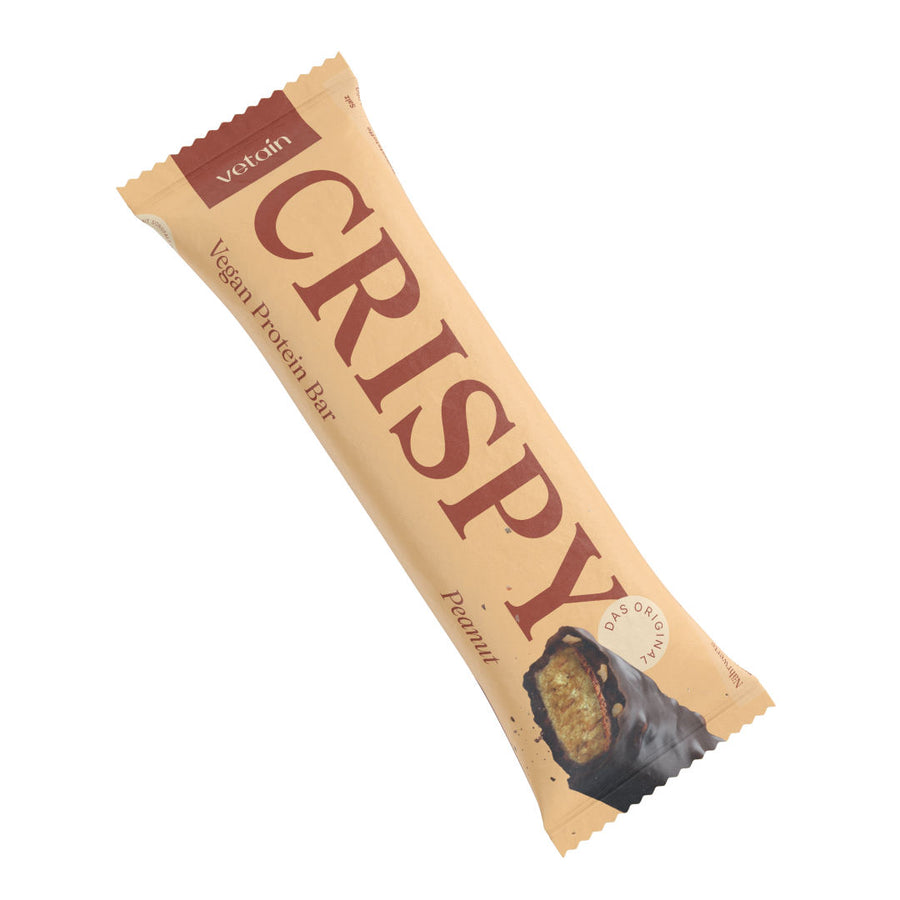
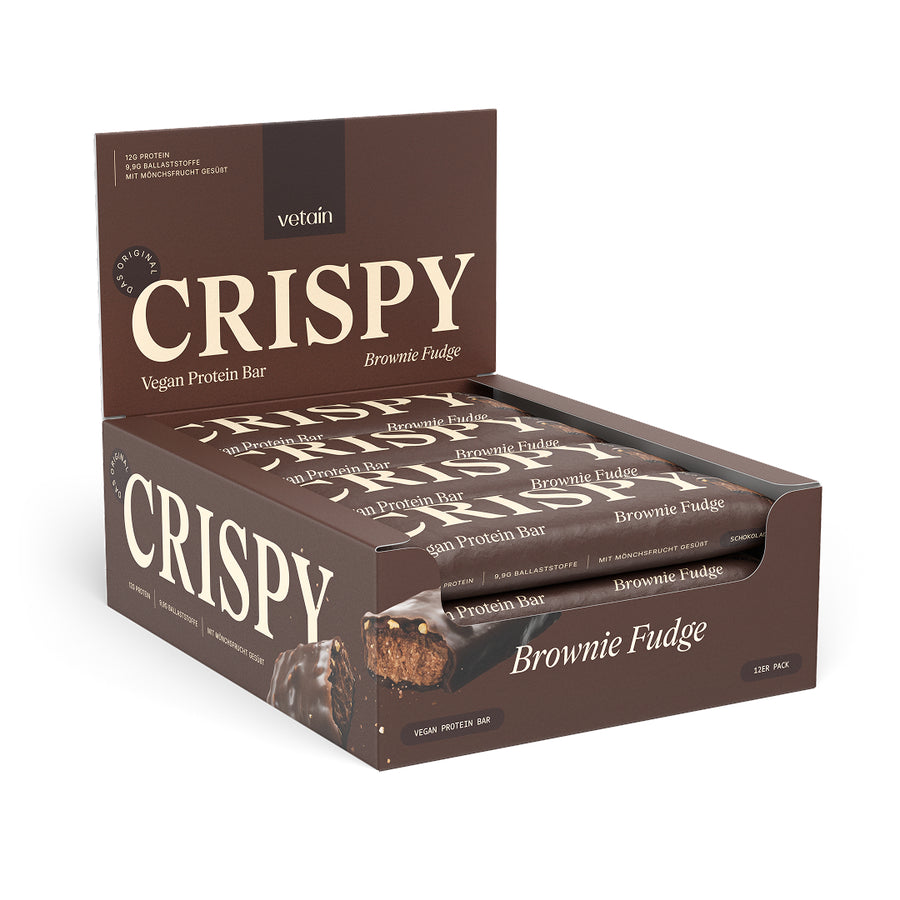
At Vetain, we developed our vegan protein bars for exactly these situations – without artificial additives, soy, or sucralose:
%-product_content-%
And how many protein bars can you eat per day? You can find out in our article "How Many Protein Bars Per Day?". Another interesting article: What Are the Actual Benefits of Protein Bars?
Protein Bars in Everyday Life
Protein bars are practical not only around training. For example, a protein bar at breakfast can complement a quick bowl of muesli or help when there is no time for a complete meal in the morning. Protein bars instead of sweets? This can be an option for satisfying cravings for sugary snacks while adding a little more protein.
What we should always bear in mind: A bar can be a useful supplement, but it should not be the only source of protein for the day. Ideally, combine it with whole, protein-rich foods such as legumes to take in additional micronutrients.
For many people, protein shakes have also become part of everyday life alongside protein bars. We have written a separate article on whether you should drink protein shakes before or after training, with surprising discoveries: Protein shake before or after training?
Conclusion
So: Protein bar before or after training? Both can work. For protein intake, the daily amount matters more than the exact timing. Before training, a bar can provide energy; after training, the proteins can contribute to increasing muscle mass. Ultimately, your last meal, your tolerance, and your training goal determine when protein bars are best for you.
By the way: Whether you write "protein bar before or after training" or refer to "protein bar before or after exercise" – you mean the same comparison.
Do you have any questions? Then feel free to send me a message – I look forward to hearing from you! :)
Literature & Sources
- Carlsohn, A. (2016). Influence of Proteins on Muscular Regeneration Following Exercise. In: German Journal Of Sports Medicine.
- König, D. et al. (2020). Position of the working group sports nutrition of the German Nutrition Society (DGE): protein intake in sports. In: German Journal Of Sports Medicine, 71(7-8–9).
- Raschka, C. & Ruf, S. (2022). Protein intake – recommendation. In: Raschka, C. & Ruf, S. (2022). Sport and Nutrition. Scientifically based recommendations, tips, and nutrition plans for practical use. 5th edition.
- Schoenfeld, B. J., Aragon, A. A., & Krieger, J. W. (2013). The effect of protein timing on muscle strength and hypertrophy: a meta-analysis. J Int Soc Sports Nutr, 10(1), 53.