






 6 Min
6 Min
 Zuletzt aktualisiert am 23.09.2026

Vitamin C is probably the best-known vitamin in the entire range of nutrients. But have you ever thought about how much vitamin C you actually need per day? In this article, we take a look at the daily vitamin C requirement and explain directly how you can easily meet your requirement.
We also explain how a vitamin C overdose can occur and how you can avoid it.
Your knowledge to go: Daily vitamin C requirement
-
Vitamin C performs many important functions such as normal collagen formation or the reduction of tiredness - therefore, an adequate intake is very important.
-
Above all Fruit and vegetables contain a lot of vitamin C. The “5-a-day rule” helps you consume enough vitamin C.
-
Women aged 19 and over need around 95 mg mg of vitamin C per day, Men aged 19 and over 110 mg.
-
For Pregnant women, breastfeeding women and smokers different values apply.
-
Supplements can help adults meet their daily vitamin C requirement.
What is vitamin C?
Vitamin C is - surprise - a vitamin that plays a major role in our diet. It is one of the water-soluble vitamins and is also called ascorbic acid.
What does vitamin C do in our bodies?
Vitamin C contributes…
-
to the normal function of the immune system
-
to the reduction of tiredness and fatigue
-
to normal collagen formation for the normal function of bones, teeth, skin and cartilage
-
to normal energy metabolism
-
to the normal function of the nervous system
-
to normal mental function
… with.
This effect of vitamin C is also why many people pay attention to their vitamin C intake, and some even use supplements to help meet their daily vitamin C requirement.
But how much vitamin C do you actually need per day? Let's take a closer look:
Daily vitamin C requirement
So how high is the daily vitamin C requirement? Unfortunately, this cannot be answered so easily, as the amount is not the same for everyone, but varies depending on gender, stage of life & more.
We can conclude: Women aged 19 and over need around 95 mg of vitamin C per day, while men need as much as 110 mg.
The following table gives you a good overview of how high the daily vitamin C requirement is for different groups.
Our vitamin C table:

For Children and adolescents different values apply again. These are staggered by age and can be found, for example, at the DGE.
The question that is probably on all our minds now: Why is the daily vitamin C requirement for smokers so much higher? Well, as an antioxidant, the vitamin neutralizes free radicals. And smokers have particularly many free radicals in their bodies due to smoking. So vitamin C has to work overtime, and more is simply needed to get all the work done.
Let's return to the table: The amount of 95 or even 155 mg of vitamin C may sound like a lot or very little – but how much is it really when measured in terms of food?
Where is vitamin C found? | Top 12 vitamin C foods
Many people associate vitamin C with lemons, oranges & co. But did you know that there are foods that contain even more vitamin C?
In general, fruit and vegetables are of course the front-runners! Here you can see our favorites.
Table: Foods high in vitamin C
You can find more vitamin C sources here: Where is vitamin C found?
The problem: Personally, I don't eat nettles or rose hips every day. And sea buckthorn berries are also rarely on my menu.
So how can you meet your needs in everyday life with “normal” foods?
An example:
-
A glass of water with the juice of one lemon (about 50 ml) → 25 mg vitamin C
-
100 g tomatoes as a salad with lunch → 25 mg vitamin C
-
a handful as an afternoon snack blackcurrants (about 50 g) → 88 mg vitamin C
This provides more than 120 mg of vitamin C, and the Daily vitamin C requirement for men and women is very simple covered. Many processed foods also contain additional vitamin C because it is often added.
What is really important: tomatoes, spinach & co. are no “bad” sources of vitamin C, just because they contain less vitamin C than, for example, rose hips. Since you usually eat such foods in larger quantities, they are excellent for meeting your vitamin needs. After all, you're more likely to eat half a bell pepper than a handful of nettles. Just follow the “5-a-day” rule – so eat 5 portions of fruit and vegetables a day – and you're often already good to go.
Extra tips:
-
The Vitamin C content of foods fluctuates depending on the season, storage, preparation, and more. So prepare your food gently (raw or briefly steamed instead of frying for a long time)!
-
Vitamin C and iron are best friends: Vitamin C increases the absorption of plant-based iron. Spinach is the perfect combination of vitamin C and iron!
-
You can also consume your vitamin C-containing foods as Juice or smoothie drink - some vitamin C is lost during preparation, but if this makes it easier for you to consume, it's worth it!
- Supplements may also be of interest to some people!
%-product_content-%
How much vitamin C does … contain?
We now know how much vitamin C we need per day, as well as how we can meet this daily vitamin C requirement. Since we still have a little time, we can answer a few frequently asked questions:
-
Which vegetable contains the most vitamin C?
Red bell peppers are among the absolute top sources of vitamin C. Kale, broccoli, and spinach also contain a good amount of vitamin C. -
Which fruit contains the most vitamin C?
The acerola cherry is THE vitamin C fruit for many people. More common fruits include blackcurrants, kiwis, and strawberries. -
How much vitamin C does a lemon contain?
About 50 mg. -
Does an apple contain vitamin C?
Yes! Each apple contains approximately 10-20 mg of vitamin C - but this depends on the variety, the apple's size, and other factors. -
How much sauerkraut covers the daily vitamin C requirement?
About half a kilogram. -
Does bell pepper contain vitamin C?
Yes! One red bell pepper already covers your daily requirement. -
Does a kiwi contain a lot of vitamin C?
Yes, approximately 70-90 mg.
vitamin C supplement
A true vitamin C deficiency fortunately no longer really occurs in countries like Germany nowadays. Even though many people do not always manage to eat 5 portions of fruit and vegetables a day, their intake is often still sufficient because vitamin C is now added to many products. Nevertheless, many people choose to Vitamin C to supplement, to be on the safe side, so to speak, and make sure to meet your vitamin C needs.
%-split_content-%
Vitamin C supplements come in many different forms: as tablets, capsules, or powder to mix with water - often with a delicious lemon flavor. In special cases, a vitamin C infusion may also be useful.
Exactly how vitamin C intake is recommended depends on the product in question. For most products, the following applies: Take your supplement with enough water (or a delicious Clear Shake).
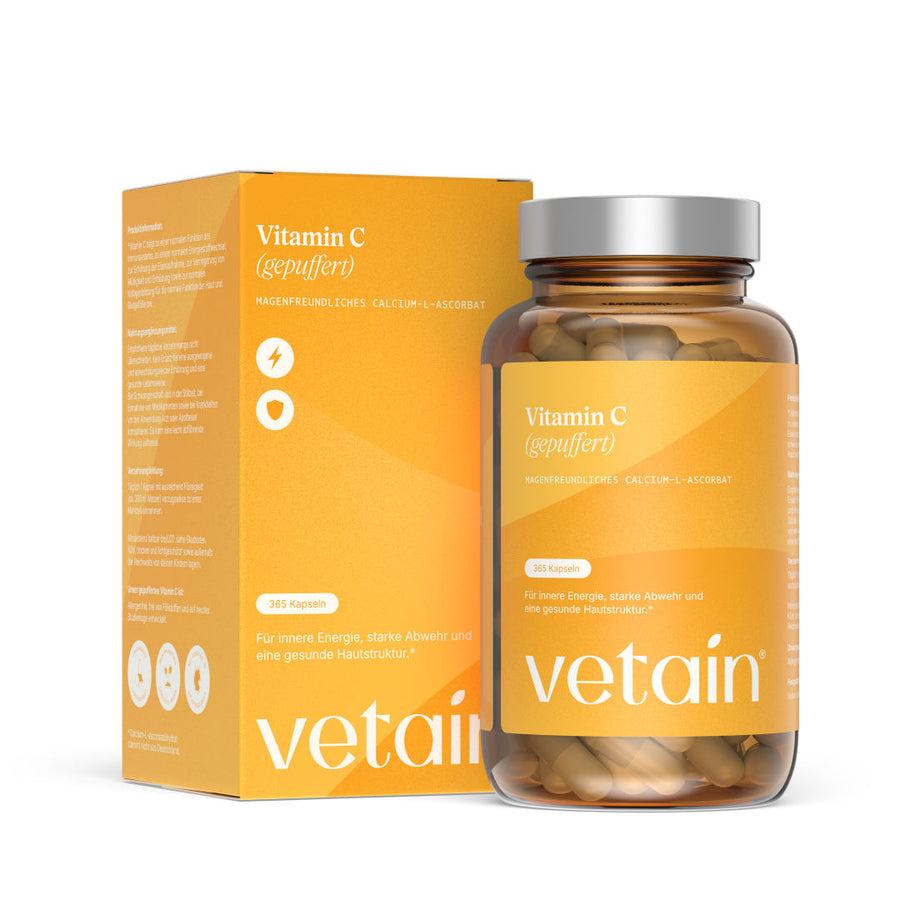
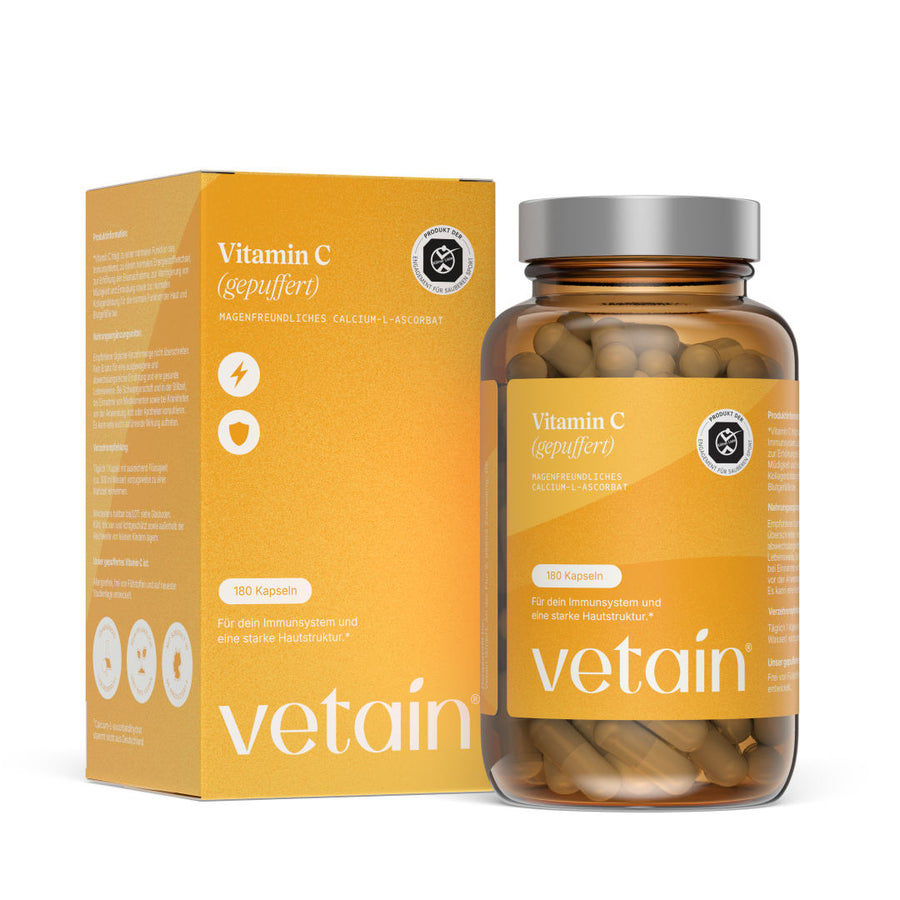
You can take your dietary supplement with a meal or independently of food, just as you prefer. If you also take iron supplements, you can combine these two supplements as well. When you should take vitamin C is entirely up to you. Many people like it as part of their morning routine for a vitamin-rich start to the day. You can find more information in our article "When to take vitamin C - All the tips". Oh, and if you prefer gentler products, you should take a look at the question "What is buffered vitamin C?".
Can you overdose on vitamin C?
The short answer: Sure! As with everything in life, there can also be too much vitamin C.
The long answer: Although it is possible to consume too much vitamin C through ordinary foods, most people do not, or at least not regularly. But if you suddenly had a huge craving for bell peppers and ate 2 large red bell peppers, you have already consumed more vitamin C than your daily vitamin C requirement. Such "overdoses" are usually not serious because excess Vitamin C, as a water-soluble vitamin, is simply excreted However, things look different with supplements: If you take more than specified, you suddenly take MUCH more vitamin C up. And that can then lead to an actual vitamin C overdose which can lead to symptoms such as nausea or stomach pain until the vitamin is excreted again. So please always follow the recommended intake for your supplement.
Conclusion
Vitamin C is one of the most important vitamins for our bodies, and fruit & vegetables can help meet the daily vitamin C requirement. The daily vitamin C requirement for a man is 110 mg, while the daily vitamin C requirement for a woman is 95 mg. Different values apply to pregnant women, breastfeeding women, and smokers. Vitamin C is particularly important during breastfeeding, Pregnancy and especially important when the body is under high stress.
Do you have questions? Then feel free to write me a Email - I look forward to hearing from you! :)
The information shared in this article is not a substitute for individual medical or nutritional advice.
Literature & Sources
-
Federal Institute for Risk Assessment (BfR). (undated). Vitamin C. Is more better?
-
DGE (2015). Selected questions and answers about vitamin C.
-
DGE (undated). Vitamin C. https://www.dge.de/wissenschaft/referenzwerte/vitamin-c/