






 7 Min
7 Min
 Zuletzt aktualisiert am 23.09.2026

What was once thrown away as waste is now bought for a lot of money by active athletes. And I'm sure you've heard of it too! We're talking about whey protein.
What almost sounds like a brand is actually just a certain type of protein. But what exactly is whey protein? Is whey protein really useful and what are possible disadvantages? We will find out together in the next few minutes!
Your knowledge to go: What is whey protein?
-
Whey protein (German: molkenprotein) is obtained as a by-product in cheese production and then processed into protein powder.
-
There are different types of whey protein powder – the most well-known: whey concentrate and isolate.
-
Advantages include the high biological value of whey protein, the complete amino acid profile, and more.
-
Disadvantages: Not everyone tolerates whey or are fans for other reasons: as an alternative, there are other animal and plant protein types.
Whey protein – explanation
So, what is whey protein? Whey protein (much less cool in German: molkenprotein) is one of the main forms of protein found in milk. The other big, well-known group is casein. Whey protein is therefore naturally present in cow's milk and dairy products.
And what exactly is whey protein powder? Easy! Whey protein is also sold as protein powder and is one of the most well-known protein powders! However, not everyone is enthusiastic: there are more and more critical voices and many active athletes are looking for alternatives. We will deal with that later so you can form your own opinion!
Where does whey protein powder come from?
Now hold on tight: What sounds super fancy was once a by-product. Whey is actually obtained from a by-product in cheese production: whey. Whey is a watery liquid that forms when milk curdles – meaning the future cheese separates from the milk. It mostly consists of milk sugar, that is lactose. But it also contains other nutrients like whey protein or fats.
Some time ago, whey was still considered a useless by-product and was either thrown away or fed to animals.
Then technology and gyms came into our lives and everything changed. Okay, it's not that dramatic.
The food industry saw potential in this liquid or in the proteins contained in it and began to use these proteins. With today's technology, this whey protein can be easily extracted and ends up as protein powder in your shake.
When you know what whey protein really is and how it is made, you immediately have a different view of the product and the usually quite high price, right?
What does whey protein do?
Now we know what whey protein is. But what does protein powder actually do? And what exactly is whey protein good for? Basically, an adequate supply of protein is important because it contributes to the increase and maintenance of muscle mass. However, it can often be difficult to consume enough protein in everyday life. Especially active athletes therefore like to use protein powder to provide their bodies with extra protein.
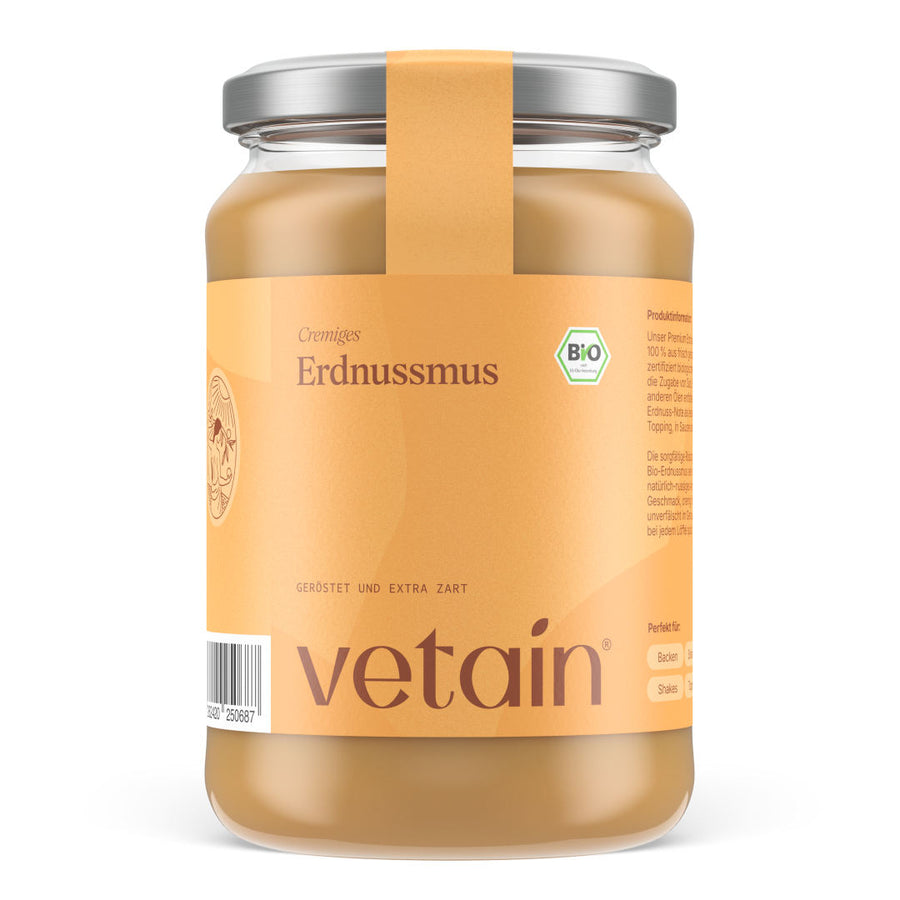
Let's put the question "What is whey protein?" aside for a moment. Other protein-containing products like peanut butter or plant-based protein bars can also help you meet your protein needs. So you don't necessarily need whey for that!
%-product_content-%
Different types of whey
Isolate, concentrate – what?! There are different types of whey. These mainly differ in their composition and their protein content.
Which type is best cannot be said in general. Depending on your goals, your preferences, and your no-gos, one type may be better suited for you. But maybe you also find that whey doesn't fit you and your lifestyle. More on that later!
Let's first take a look at the different types:
Whey Protein Concentrate
What is Whey Protein Concentrate? Whey concentrate consists of about 70-80% protein, so it has a fairly high protein content. In addition to protein, it also contains some carbohydrates like lactose and fats. The concentrate is quite simple to produce and therefore cheaper than the next two forms.
-
Advantage: lower price
-
Disadvantage: still contains lactose, so it is not necessarily suitable for lactose-intolerant people
Whey Protein Isolate
The terms ion exchange process or microfiltration alone show that the production of this form is much more complex. But it is worth it: the protein content is significantly higher at 85-95% than that of concentrate. This is because various types of filtration remove other substances like lactose from the product. What remains is mainly protein.
Therefore, isolate is often used in higher-priced protein powders. It is especially popular among people with lactose intolerance because it contains almost no lactose.
-
Advantage: almost lactose-free, therefore tolerable for most lactose-intolerant people, very high protein content
-
Disadvantage: can taste bitter
Whey Protein Hydrolysate
Hydrolysate has a protein content of about 80-90%, roughly at the same level as isolate. Especially practical with this form: the proteins are already broken down into peptides and amino acids, the small building blocks of proteins. In comparison, most other proteins first need to be digested, and it takes some time before the body can use the amino acids.
-
Advantage: high protein content, small building blocks
-
Disadvantage: very expensive, usually bitter taste
There is also fermented whey protein – but this is less important here.
Quality & Effect
What is so special about whey protein?
-
Whey protein has a very high biological value. This value shows how efficiently the human body can use the respective protein to build its own protein. A very important factor here:
-
Whey has a good amino acid profile and contains all essential amino acids (EAAs). These are amino acids that the body cannot produce itself and therefore must be obtained through food: isoleucine, leucine, lysine, methionine, phenylalanine, threonine, tryptophan, valine, and (for infants) histidine.
-
In addition, whey (especially the hydrolysate) contains proteins in smaller fragments due to processing. That's music to the ears of active athletes!
-
Last but not least: The protein content of the various types of whey is very high, making it a good source of protein in a protein-rich diet.
Now that you know what whey protein is, you want to know its pros and cons? Here is our overview:
Advantages of whey
Whey has numerous advantages that make it one of the most well-known protein powders:
-
high protein content with comparatively low fat and carbohydrates
-
complete amino acid profile
-
high biological value
-
the proteins are already broken down into small building blocks through processing
-
depending on type: lactose-free and therefore suitable for lactose intolerant individuals
Disadvantages of whey
Of course, whey also has some disadvantages that should not be ignored when explaining what whey protein is:
-
For lactose intolerant people and those who cannot tolerate milk, whey is only conditionally (and sometimes not at all) suitable.
-
Depending on processing and purity, many products taste bitter.
-
To offset bitterness, artificial sweeteners or other sweetening agents are often used to improve taste. However, many people want to avoid such substances.
-
Whey is not suitable for vegans because it is derived from milk.
-
Independent tests have shown that the quality of whey products varies among different providers. You should rely on trustworthy, reputable brands or consider alternatives.
-
Whey protein powders often contain numerous additives and fillers.
-
Especially for sensitive individuals like those who are lactose intolerant, side effects such as stomach pain can occur after consumption.
Alternatives
More and more people are also looking for alternatives to whey – for various reasons: they can't tolerate whey, want to switch to vegan products, or simply prefer other types of protein.
Animal protein types:
-
casein
-
Egg protein
Plant-based protein types:
-
Soy protein
-
Rice protein
-
Pea protein
-
Hemp protein
-
Flaxseed protein
-
…
Especially with plant-based proteins, multi-component proteins are popular, meaning a mix of different protein types. The advantage? The usually incomplete amino acid profile of plant proteins can be complemented, resulting in a complete amino acid profile. Additionally, you can benefit from the advantages of different protein types.
%-split_content-%
Not to forget: "Real" protein-rich foods. It doesn't always have to be a powder. Foods like legumes, meat, and fish also contain a lot of protein. So always pay attention to a balanced diet!
What is the best type of protein?
All the proteins mentioned here have pros and cons. Therefore, you cannot generally say which type of protein is best. Depending on your diet, taste, and needs, one protein or another is best suited for you. Just try out different types.
Conclusion: What is Whey Protein?
For some, the best protein; for others, a red flag. Opinions on whey vary widely. And that's okay – after all, there are so many types of protein that everyone can find the right product for themselves. What is always important, however, is to be well informed and know what whey protein is. And you will definitely know that after this article. And with that, you are far ahead of many of your gym buddies – many can only answer the question "What is whey protein?" with a shrug.
Literature & sources
-
Newar, V. (2022). A Review on Whey Protein: Benefits, Myths and Facts. International Journal of Innovative Science and Research Technology, 7(10).
-
Saba Zafar (2024). Nutritional and Functional Importance of Whey Protein in Human Health and Food Applications. Applied Agriculture Sciences, 2(1).
-
Shankar, J. R. & Bansal, G. K. (2013). A Study on Health Benefits of Whey Proteins. International Journal of Advanced Biotechnology and Research, 4(1).
-
Consumer Advice Center (2025). Whey Protein: What You Should Know About Whey Protein.
Do you have questions? Then feel free to write me an email – I look forward to hearing from you! :)
The information shared in this article does not replace individual medical or nutritional advice.