






 6 Min
6 Min
 Zuletzt aktualisiert am 23.09.2026

Are you looking for a miracle cure to build muscle and get stronger overnight? Then I’m afraid I have to disappoint you – this is not the place for that. Because such a thing doesn’t exist! But what does exist are supplements that fit your training. In this article, you’ll learn which supplements for muscle building are really important.
Your knowledge to go: Which supplements for muscle building?
-
The most well-known supplements for muscle building include protein shakes, creatine, magnesium, and zinc.
-
There are supplements that have a direct impact (e.g., proteins) and nutrients that work more in the background (e.g., omega-3 fatty acids), but are just as important.
-
Protein shakes, protein bars & co. are becoming increasingly popular because they are an easy protein source on the go.
-
Which supplements you need is individual and depends on your training goals, diet, and more.
Supplements with direct impact
Some supplements can have a direct impact. You probably already know many of them and maybe you’re even taking some! Let’s take a look:
Which supplements are important for muscle building? Proteins, creatine, zinc, vitamin D, magnesium, and special supplements for professionals.
Proteins (with a high proportion of EAAs)
-
Proteins are perhaps the most important nutrient in sports because they provide (essential) amino acids and thus contribute to building muscle mass.
-
Extra tip: Proteins also contribute to the maintenance of muscle mass. So if you know you won’t be able to train as often soon, sufficient protein intake can help you maintain your muscle progress.
-
Especially important are EAAs (essential amino acids): Your body cannot produce these on its own. So you need to get them through your diet. Some supplement manufacturers list the EAA content on their products – otherwise, Google can help!
-
Supplements: bars, powder (more on this later!)
-
Natural sources: eggs, legumes, nuts
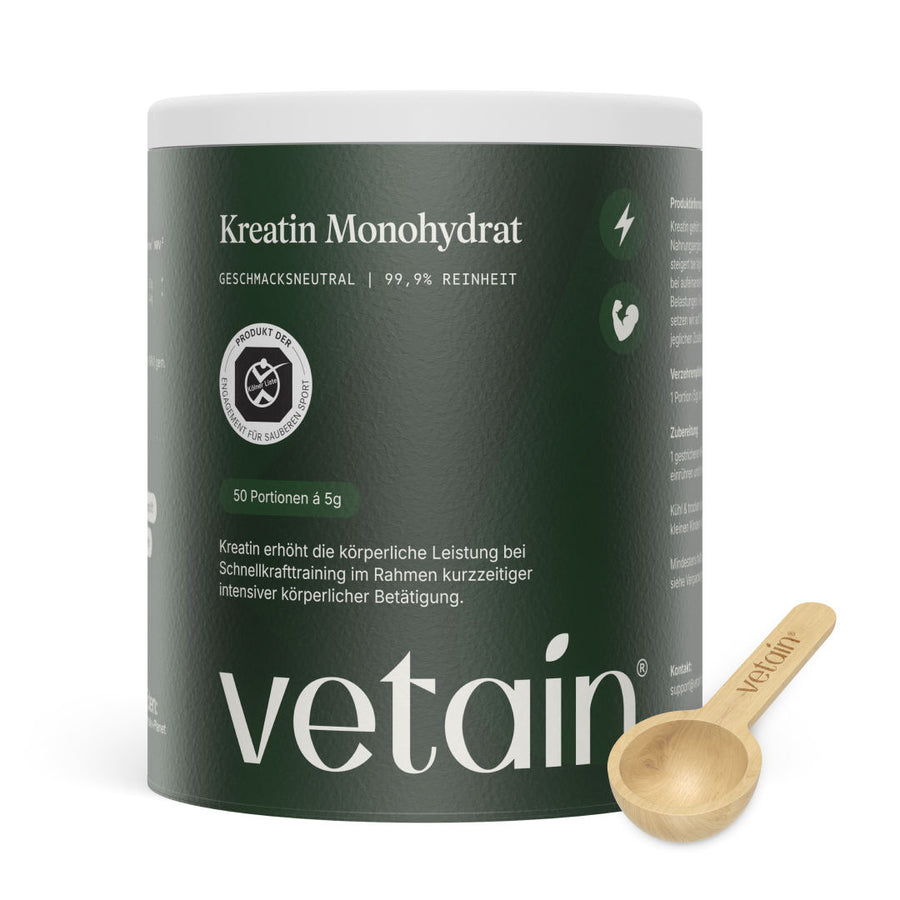
Creatine
-
Creatine increases physical performance in short-term, high-intensity exercise (with 3 g of creatine per day).
-
Supplements: creatine monohydrate
-
Natural sources: meat, fish, animal products
%-product_content-%
Do you want to learn more about creatine?
What is creatine?
What does creatine do?
Zinc
-
Zinc contributes to normal protein synthesis. Protein synthesis is a physiological process in which the body produces proteins.
-
Supplements: mostly as capsules or tablets
-
Natural sources: nuts, legumes, meat
Vitamin D
-
Vitamin D contributes to the maintenance of normal muscle function. Sounds very theoretical, but simply means that vitamin D is important for your muscles to work normally.
-
Supplements: In case of deficiency, in the form of drops, capsules, or tablets, preferably combined with vitamin K2.
-
Natural sources: produced by the body when exposed to sunlight, fatty fish, eggs
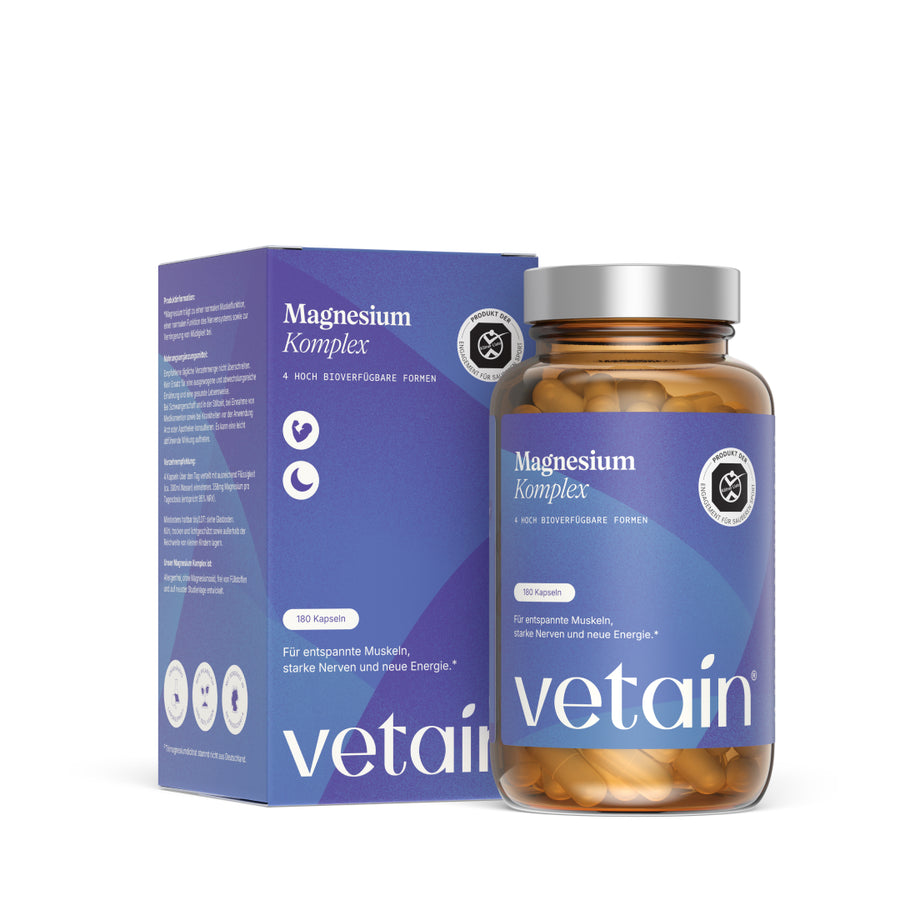
Magnesium
-
Like vitamin D, magnesium supports normal muscle function.
-
Supplements: mostly as capsules or powder
-
Note: There are many different forms of magnesium. Try what works best for you or choose a combination product.
-
Natural sources: whole grain products, green leafy vegetables, nuts
By the way: Whether magnesium is better before or after training, you can find out here: Magnesium before or after exercise?
%-product_content-%
Professional supplements
Which supplements are still important for muscle building? There are other dietary supplements such as beta-alanine or L-citrulline. However, since these supplements are more for professionals, we are not currently focusing on them but rather on the basics.
Supplements with indirect influence
Many nutrients do not have a direct effect on muscle building but are still important for your muscles. What? Unlike, for example, proteins, they do not act directly on the muscles but are responsible for ensuring that all the processes in the background run well and the conditions for effective training are right. Therefore, they are at least as important as those just discussed, even if they sound a bit more boring.
Which supplements are indirectly important for muscle building? Omega-3 fatty acids, Vitamin B12, Collagen and some others.
Omega-3 fatty acids
-
Omega-3 fatty acids are an important research subject in sports nutrition.
-
Supplements: capsules or oil from fish or algae
-
Natural sources: Fish, algae, seeds
Vitamin B12
-
Vitamin B12 contributes to the reduction of fatigue, which is of course practical during training. In addition, the vitamin supports cell metabolism – which plays an important role in regeneration.
-
Supplements: mostly capsules or tablets, often as Vitamin B complex
-
Natural sources: Meat, fish, eggs, milk
Collagen
-
Collagen is a structural protein of the connective tissue and therefore interesting for many in the sports context.
-
Supplements: mostly powders, there are vegan alternatives
-
Natural sources: Meat, fish
What other supplements are there for muscle building?
There are also some supplements in this area that are not basic, but rather for those who are serious about sports.
-
BCAAs
-
L-Arginine
-
MSM
-
Astaxanthin
Other nutrients you should pay attention to
If you do sports, you should always make sure to get enough of the following nutrients. This usually works through diet – supplements are often not necessary.
-
Iodine ((contributes to normal production of thyroid hormones and normal thyroid function)
-
Selenium (helps protect cells from oxidative stress)
-
Folic Acid ((contributes to the reduction of tiredness and fatigue)
-
Iron (contributes to normal oxygen transport in the body)
-
Calcium (contributes to normal muscle function and muscle contraction)
Now we know which supplements there are for muscle building. But one question remains: Do you really need them?!
Do you need supplements for muscle building?
Good question and not so easy to answer. First of all, it depends on how serious you are about training and how often you train. If you only train a few hours a week, you probably need fewer supplements. A protein shake for the good feeling might be enough.
But if your goal is to train effectively for results and you really stick to it, the supplements presented here can make sense. First, equip yourself with the basics and see how it goes. For specific needs, you can additionally take other dietary supplements. Always remember: everything is optional. You can also have fun training and build muscle without supplements.
Very important – as always: supplements should only be a supplement to a balanced diet and not a replacement for it. So feel free to first try to get nutrients through an adjusted diet – for example, more green vegetables for your extra portion of magnesium.
High Protein Products
Protein bars, shakes & co. are probably the most well-known products when it comes to the question "Which supplements for muscle building?" And rightly so! Proteins are daily supplements for many in the gym. Among them, regular protein shakes, clear proteins, and protein bars are the standard products.
Here is an overview of the most well-known product types:
Regular Protein Powder
“Regular” protein powder is the classic par excellence and is loved by many in the gym, regularly consumed before or after training. You can either drink it as a shake or mix it into your porridge or smoothie – the possibilities are endless. Protein shakes are usually creamy, and the powders come in flavors like Vanilla, Chocolate, or Iced Coffee.
Clear Protein
Clear Proteins are fruity, light, and refreshing – the perfect alternative for hot days or mild evenings. Unlike regular protein shakes, they are not creamy but more like a lemonade. This makes them suitable as a regular drink for in between. Typical flavors are Mango-Passionfruit, Lemon, or Wildberry.
Protein bars
Protein bars are bars (surprise!) that contain a lot of protein. So if you prefer to eat your proteins rather than drink them, this is the right choice. Since protein bars are usually also satiating, they are a popular snack for many active athletes in between meals.
Do you prefer Peanut or Brownie, or do you want to try something new and choose Berry?
%-split_content-%
What should you look for when buying?
You now know which supplements are important for muscle building but feel overwhelmed by the range of supplements? No problem! Here's how to find the best dietary supplements for muscle building:
-
Find out what you really need! Track your macro- and micronutrients for a few days and see where you might not be getting enough or where you could use a boost.
-
Which criteria are important to you? Should the products be vegan or organic, for example, or have clean ingredients?
-
Check the ingredients: Is the nutrient present in a suitable amount and form? Google can help you find out! A little tip: If you can’t even pronounce the ingredients, that’s usually not a good sign! ;)
-
Make a list of all products and brands that are an option and then look at the companies and their values. What suits you best?
Conclusion: Which supplements are important for muscle building?
There are many nutrients that have a direct or indirect influence on muscle building. Some are basics that make sense for all active athletes, like proteins, while others are more for professionals and only necessary if there is really high strain or a deficiency. In the end, as always, it is individual which supplements are useful for muscle building for you.
Therefore: Try out what works well for you and then use these products.
Literature & sources
-
German Olympic Sports Confederation (2014). Dietary supplements. 1st edition.
-
König D., Carlsohn A., Braun H., et al. (2020). Proteins in sports nutrition. Position of the working group sports nutrition of the German Nutrition Society (DGE). Ernährungs Umschau, 67(7).
-
Mosler, S. (2016). More strength with protein shakes & co? In: Current Nutritional Medicine, 41(S 01).
-
Raschka, C. & Ruf, S. (2017). Sport and nutrition: scientifically based recommendations, tips, and nutrition plans for practice. 3rd edition.
-
Ziegenhagen R., Braun H., Carlsohn A., et al. (2020). Safety aspects of dietary supplements in sports. Position of the working group sports nutrition of the German Nutrition Society (DGE). Ernährungs Umschau, 67(2).
Do you have questions? Then feel free to send me an email – I look forward to hearing from you! :)
The information shared in this article does not replace individual medical or nutritional advice.