






 7 Min
 Zuletzt aktualisiert am 27.10.2026
The myth of the strong meat eater is hard to shake—but it’s becoming increasingly clear that plant-based protein sources are not necessarily inferior to animal protein. But what exactly do people mean by “protein for vegans”? You often hear “just eat more legumes and nuts,” but which plant-based foods actually provide the most protein? What foods contain protein at all? How can you combine them effectively? What matters when it comes to protein quality, and how can you make it taste good too? We’ll calmly answer all these questions now—including the most protein-rich sources, practical pairing tips, and the latest research, so you don’t have to rely on vague rules of thumb.
Your takeaway: Plant-Based Protein Sources
-
Soybeans, pumpkin seeds, hemp seeds, and peanuts are the richest sources of protein, with 29 to 38 g of protein per 100 g.
-
Individual plant-based sources rarely provide all nine essential amino acids in optimal amounts—but combining different sources throughout the day makes up for this.
-
According to the DGE, protein requirements are 0.8 g per kg of body weight per day (1.0 g from age 65), and can be met entirely with plant-based foods.
-
Plant-based protein powder can be a convenient way to supplement your daily protein intake, but it’s no substitute for a varied diet.
What are plant-based protein sources—and why should you pay attention to them?
We’re talking about foods from the plant kingdom that provide a significant amount of protein, especially legumes, nuts, seeds, grains, and some vegetables. Unlike animal protein, most of these natural protein sources unfortunately don’t contain all nine essential amino acids in optimal amounts. But it’s easy to make up for this by combining different sources throughout the day—we’ll explain more below. Find out how plant and animal protein differ in detail in our article Animal vs. Plant Protein.
How much protein do you actually need per day?
In brief: According to the German Nutrition Society (DGE), the recommended protein intake for healthy adults is 0.8 g of protein per kilogram of body weight per day, and 1.0 g per kilogram for people aged 65 and older—physically active people may need more. For details on how to calculate this for yourself and what applies when exercising or during particular stages of life, read our articles How Much Protein Per Day? and How Much Protein Per kg?. With a considered selection of good protein sources, you can get surprisingly close to this amount in your everyday diet, even without meat or fish. For example, you could have oatmeal with flaxseed for breakfast, lentil dal for lunch, a handful of almonds or pumpkin seeds as a snack, a plant-based protein shake after exercising, and a tofu bowl in the evening.
The 10 best plant-based protein sources at a glance
As a nutritionist, I know the question “What has the most protein in a vegan diet?” all too well, because meeting your protein needs has been trending for some time. Before we get into the details, here’s a compact protein table listing plant-based protein sources—the 10 foods that provide the most protein per 100 g.
| Plant-based protein source | Protein per 100 g | Category |
|---|---|---|
| Soybean (dried) | 38,2 g | Legume |
| Pumpkin seeds | 35,5 g | Kernel/seed |
| Hemp seeds | 31 g | Seed |
| Peanut | 29 g | Legume |
| Wheat germ | 28,5 g | Grain |
| Broad beans | 27 g | Legume |
| Sunflower seeds | 26,1 g | Kernel |
| Lentils | 23,4 g | Legume |
| Green peas | 23 g | Legume |
| Almonds | 22,3 g | Nut |
Please bear in mind that the type of food (raw, dried, or otherwise processed) and the specific variety affect the actual protein content. This vegan protein sources table is therefore a rough guide, not an exact nutrition label.
Legumes: protein powerhouses among plant-based protein sources
Legumes are among the most abundant plant-based protein sources. The German Nutrition Society (DGE) also explicitly names soybeans, lentils, and peas as foundations of a protein-rich plant-based diet. Some of the highest-protein legumes include:
-
Soybeans (dried) – 38.2 g per 100 g, with an especially complete amino acid profile
-
Tofu (firm, plain) – 15.5 g per 100 g, versatile enough for everything from stir-fries to bowls
-
Lentils – 23.4 g per 100 g (dried), ideal for a homemade wrap, lentil stew, or Indian lentil dal
-
Green peas (dried) – 23.0 g per 100 g, delicious when made into soup
-
Beans (average) – around 22.4 g per 100 g
-
Chickpeas – 18.6 g per 100 g, the classic choice for hummus
-
Broad beans (fava beans) – provide all nine essential amino acids and around 27 g of protein per 100 g
A practical bonus: Legumes also provide plenty of fiber, folate and complex carbohydrates - so they can be a good choice not just for their protein content, but also for keeping you full.
Feeling hungry? You'll find plenty of high-protein inspiration to cook in our recipe collection. ;)
Nuts & Seeds as Good Sources of Protein
Maybe you've also googled pumpkin seed protein content, wondered how much protein flaxseeds contain, or asked how much protein almonds have. Good thinking, because nuts and seeds really do provide plenty of protein. So which nut has the most protein? Among seeds, pumpkin seeds, with 35.5 g, and sunflower seeds, with 26.1 g of protein per 100 g, lead the pack. Among classic nuts, peanuts come out on top with 29 g (roasted), although botanically they belong to the legume family.
Other good sources of protein in this group:
-
Almonds - 22.3 g per 100 g
-
Pistachios - 20.8 g per 100 g
-
Cashews - 21.0 g per 100 g
-
Walnuts - 16.1 g per 100 g, and also rich in omega-3 fatty acids
-
Pine nuts - 16.4 g per 100 g
Ta-da! Now you know which nuts have the most protein and are especially worth snacking on.
A quick note: Seeds and nuts are high in protein, but also relatively high in calories, so a small portion (about a handful) makes a useful addition - not a main source for meeting your entire daily requirement.
Chia Seeds, Flaxseeds & Co.: Which Have the Most Protein?
Tiny black chia seeds pack an impressive 22.1 g of protein per 100 g and also provide omega-3 fatty acids and fiber. Flaxseeds contain 22.3 g per 100 g. With 31 g per 100 g, hemp seeds are among the most protein-rich plant-based foods and also have a particularly well-balanced amino acid profile. Adding one or two tablespoons of ground flaxseeds to your porridge or smoothie is an easy way to include more plant-based protein in your day without making major changes to your diet.
High-Protein Vegetables: Which Vegetables Have the Most Protein?
Classic vegetables naturally provide less protein than legumes or seeds, but they can still make a useful contribution to your protein intake - especially since you usually eat larger portions. If you're wondering which vegetables are highest in protein, Brussels sprouts (4.5 g per 100 g), broccoli (3.6 g) and spinach (2.1 g) are among the top choices.
Good to know: Young legumes such as edamame (immature soybeans, 13 g per 100 g) are botanically legumes, but are prepared like vegetables and provide significantly more protein than typical leafy greens.
Grains & Pseudocereals: The Unsung Protein Source in Everyday Life
Grains are the underdog: they’re often overlooked as a source of plant-based protein, but contribute to our total intake because we eat relatively large amounts of them in everyday life. Wheat germ provides a surprising 28.5 g of protein per 100 g, while oat bran contains 15.6 g. Pseudocereals such as amaranth (14 g per 100 g) and quinoa (13.3 g) are especially interesting: both are among the few vegan foods high in protein that provide all nine essential amino acids in a ratio that’s unusually balanced for plants. Oatmeal (13.2 g) and whole-grain bread (around 7.2 g on average) also make a noticeable contribution to our protein intake.
%-product_content-%
Biological Value: Why Protein Quality Is About More Than Just Quantity
Not every gram of protein is equally bioavailable. The so-called biological value describes how efficiently the body can actually convert a protein into its own proteins, depending on its amino acid profile and digestibility. Individual plant-based protein sources rarely achieve top scores on their own because each lacks one or more amino acids in sufficient amounts. Corn, for example, is low in lysine, while beans provide plenty of it. Eat the two together, and they make up for each other’s shortfalls. Many traditional dishes around the world use this principle quite naturally (you’re probably familiar with the combination of beans and corn from Mexican cuisine, for example).
Plants Compared with Meat
For anyone wondering which meat provides the most protein and how plant-based alternatives compare: lean, particularly high-protein meats like beef or chicken contain about 21–23 g of protein per 100 g. Some plant-based protein sources, such as soybeans, pine nuts, and pumpkin seeds, even contain more protein than most types of meat. The difference lies less in the amount than in the amino acid composition: animal protein provides all essential amino acids in a ratio the body can use particularly well, while individual plant foods usually have one limiting amino acid.
However, a study by Pinckaers et al. (2023) published in the academic journal Journal of Nutrition found no significant difference in muscle protein synthesis after consuming 30 g of milk protein compared with 30 g of a combined wheat, corn, and pea protein blend. This is strong evidence that the traditional quality gap between animal and plant protein can largely be bridged by cleverly combining multiple plant protein sources.
How to combine vegan protein sources
For anyone wondering how vegans can reliably meet their protein needs, the trick is to combine different protein sources. High-protein vegan foods don’t necessarily have to be eaten in the same meal—amino acid intake generally balances out over the course of the day, too.
Vegan protein sources are also suitable for building muscle, as long as you get enough and include variety, because protein contributes to the growth and maintenance of muscle mass. This applies regardless of whether the protein comes from animal or plant sources. If you’re looking for the best vegan protein sources for your workout routine, a mix of legumes, whole grains, nuts, and—if needed—a high-quality protein source in the form of a plant-based protein powder is a good choice. And that’s the perfect segue into...
Our contribution: Vetain Vegan Protein as a practical plant-based protein source
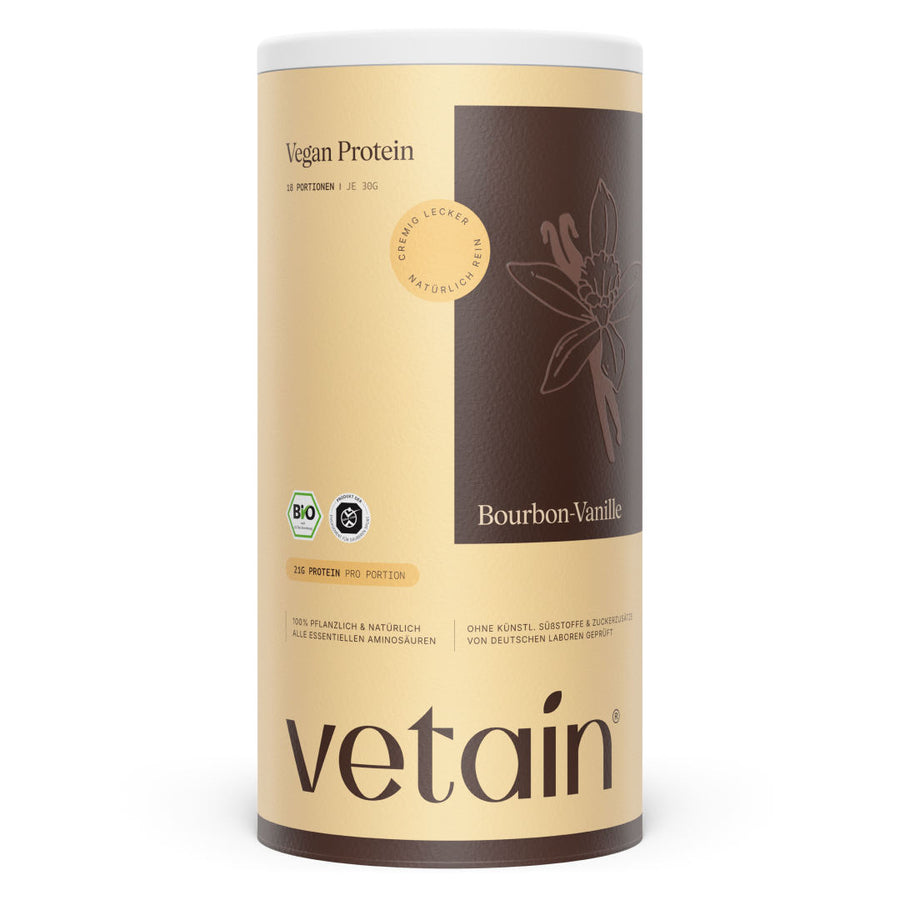
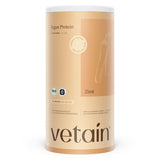
If you don’t want to plan every meal in detail during a busy day, a good plant-based protein powder can be a handy option—as a supplement, not a replacement for a varied diet. Our Vegan Protein combines sprouted pea protein, fava bean protein, pumpkin seed protein, and golden flaxseed flour to create a protein base with a complete amino acid profile. Depending on the flavor, each serving (30 g) provides 21 g of plant protein at 113 kcal. The combination of these four ingredients delivers exactly the effect we described above: their amino acid profiles complement one another to create a well-rounded overall profile.
%-split_content-%
Practical tips: How to include more plant-based protein sources in your daily routine
Theory is one thing; everyday life is another. A few simple routines can help you make high-protein plant foods a regular part of your meals:
-
Start the day with oatmeal, flaxseeds, and a little nut butter instead of plain white bread.
-
Once a week, replace the meat in your favorite recipe with lentils, chickpeas, or soy mince.
-
Keep roasted chickpeas or a mix of nuts and seeds on hand as a protein-rich snack.
-
Deliberately combine grains and legumes in one meal, for example, rice with beans.
-
If needed, use a plant-based protein powder to easily boost shakes, porridge, or baked goods.
You can also learn how to incorporate plant-based protein into a balanced diet in our article on balanced nutrition. Just two or three of the habits above will help you meet some of your daily needs without completely overhauling your meal plan.
Conclusion: Incorporating plant-based protein sources into everyday life
Plant-based protein sources can hold their own against animal protein in terms of protein content - among the most protein-rich vegan foods are soybeans, pine nuts, pumpkin seeds, and hemp seeds. A varied diet is key to getting enough protein, rather than relying on a single "super ingredient": combining legumes, protein-rich nuts, seeds, grains, and protein-rich vegetables throughout the day reliably supplies essential amino acids - all without meat or fish. A good plant-based protein powder or a protein bar for a quick snack can conveniently supplement this foundation when needed.
Literature & Sources
-
Bieler, S. (2021): Swiss Nutrition Table. 3rd edition. Federal Food Safety and Veterinary Office (FSVO).
-
Heseker, H. & Heseker, B. (2019/2020): The Nutrition Table. 6th edition. German Nutrition Society (DGE).
-
German Nutrition Society (DGE): Reference values for protein intake
-
Pinckaers, P. J. M. et al. (2023): The Muscle Protein Synthetic Response to the Ingestion of a Plant-Derived Protein Blend Does Not Differ from an Equivalent Amount of Milk Protein in Healthy Young Males. Journal of Nutrition.
-
Rafii, M. et al. (2022): Metabolic availability of methionine assessed using indicator amino acid oxidation method is greater when cooked lentils and steamed rice are combined in the diet of healthy young men. Journal of Nutrition.